

Florida bill aimed at loosening requirements for imposing the death penalty gets Senate committee approval

Changing death penalty laws
The Florida legislature is one step closer to a new law that wouldn?t require a unanimous vote for the death penalty.
TALLAHASSEE, Fla. - A proposed Florida Senate bill received approval from the Senate Rules Committee Tuesday that would loosen requirements for imposing the death penalty.
Senate Bill 450 would no longer require a jury to come to a unanimous decision to impose the death penalty. The bill would require a minimum of eight out of 12 jurors to vote in support of a death sentence.
"That is a very, very high bar, so high of a bar that you empower protest jurors from stopping the death penalty from being imposed," State Sen. Blaise Ingoglia, R-Spring Hill, who sponsored the bill, said.
RELATED: Florida lawmakers propose getting rid of unanimous jury recommendations for the death penalty
An attorney in the Tampa area says jurors are required to uphold the law and take an oath to remain impartial.
"What I think is important to remember in that context, is that’s really what jury selection is about," Joshua Sheridan, of Busciglio, Sheridan and Schoeb said. "When you’re doing voir dire and picking your jury, these are the types of questions you’re asking to make sure you don’t have someone who is on the jury who won’t follow the law."
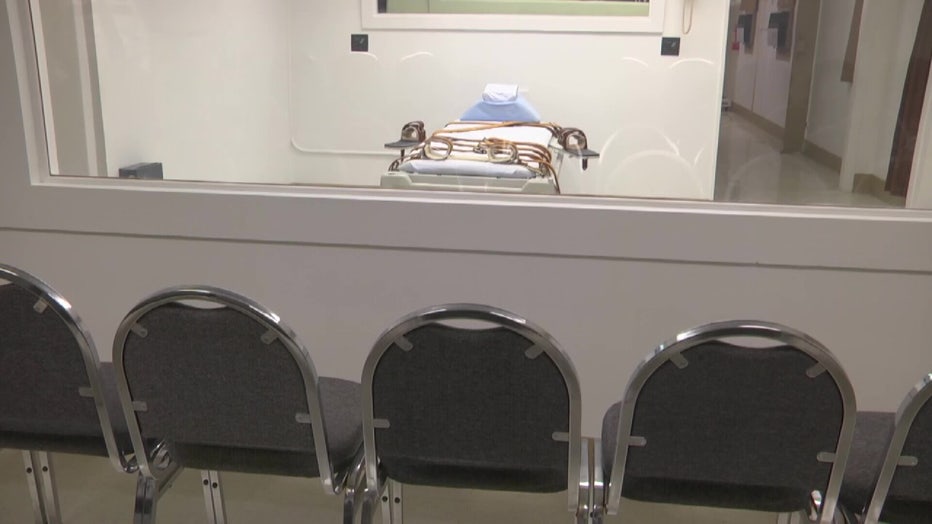
The bill has drawn both support and opposition from state senators.
"It’s hard to reverse an execution, and I think the current state of the law is sufficient," State Sen. Darryl Rouson, D-St. Petersburg, said.
Some lawmakers voiced concern about making the stiffest sentence easier to hand down.
"I am not opposed to the death penalty, but it must be a process where everyone agrees that the heinous nature and the atrocious nature of the crime fit the penalty," Rouson said.
The bill would require jurors to agree unanimously that there was at least one aggravating factor in the case, before voting on whether to impose a death sentence.
According to the bill, if a minimum of eight jurors don’t vote to impose the death penalty, the court must hand down a sentence of life in prison without parole.
The bill comes just months after Nikolas Cruz, the gunman who shot and killed 17 people at Marjory Stoneman Douglas High School in Parkland, dodged the death penalty.
"If a person, dare I say it Madam Chairman, like Nikolas Cruz does not deserve the death penalty, and we cannot give the death penalty on that case, then what do we have a death penalty for?" Ingoglia said.
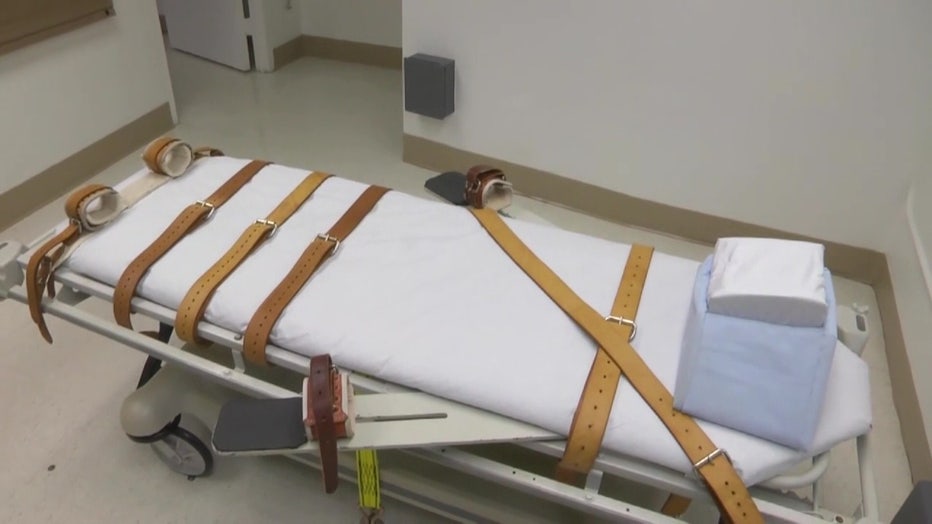
Cruz was sentenced to life in prison without parole. Following his sentencing, many lawmakers, including Gov. Ron DeSantis, immediately spoke out against the need for a unanimous vote from jurors to impose the death penalty.
"In my experience, coming from an emotional perspective is not where you should be making these decisions," Sheridan said.
PREVIOUS: Parkland shooter trial: $2.5M spent on housing Nikolas Cruz since 2018, sheriff's office says
Sheridan says lawmaking should remain a broader, objective decision. He says handing down the stiffest possible sentence isn’t a simple consideration.
"Often times, there are significant mental health issues or other things at play here and those are things that can be considered in a sentencing phase," Sheridan said. "So will this change things? Yeah, I think so. I mean, look at it. It’s making it easier to put people to death."
The bill only applies to the sentencing phase. A jury would still have to unanimously agree on a guilty verdict in a trial.